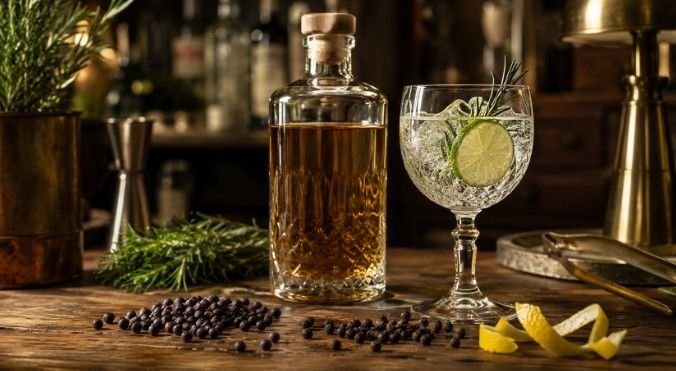
Hosting friends on a vibrant weekend evening always sparks creative energy behind the bar, especially when tailoring beverages to health-conscious lifestyles. Stepping into the world of botanical blending reveals that mastering how to make non alcoholic gin at home is an incredibly rewarding craft.
Crafting custom spirit alternatives allows you to skip expensive store-bought brands while gaining complete control over the crisp, refreshing flavors filling your glass.
Key Takeaways
- Authentic non-alcoholic gin requires true juniper berries to mirror traditional spirits.
- Black peppercorns or angelica root naturally mimic the structural warmth of alcohol.
- Vegetable glycerin creates a rich, realistic spirit mouthfeel and improves clarity.
- Proper double-filtration through a coffee filter ensures a beautiful, pristine pour.
- Natural botanicals provide robust antioxidant and digestive wellness benefits.
Why This Zero-Proof Botanical Guide Is Essential
Traditional happy hours often leave mindful drinkers feeling left out or bored with basic sodas. Learning how to make non alcoholic gin solves this dilemma by elevating your hosting game with sophisticated, health-conscious alternatives. This guide keeps your social rituals intact while supporting your long-term liver wellness and physical vitality.
Making non-alcoholic gin involves steeping botanicals, primarily juniper berries, coriander, and citrus peels, in water or a vegetable glycerin base. This draws out the signature piney, floral, and earthy flavors of traditional gin without relying on alcohol for extraction.
Using these natural plant components allows you to enjoy the complex aromatic experience of a classic spirit while flooding your body with protective antioxidants.
The Botanical Tea Method For Fast Infusion
This stovetop method relies on steeping to extract the flavors and does not require any special distillation equipment.
Gathering Your Countertop Ingredients
To build this beautiful liquid base, gather two tablespoons of dried juniper berries and one tablespoon of coriander seeds. You will also need one tablespoon of angelica root or cardamom pods, alongside one large strip each of fresh orange and lemon peel.
Prepare three cups of filtered water and have one teaspoon of vegetable glycerin ready to add a rich mouthfeel similar to real gin.
Step By Step Stovetop Execution
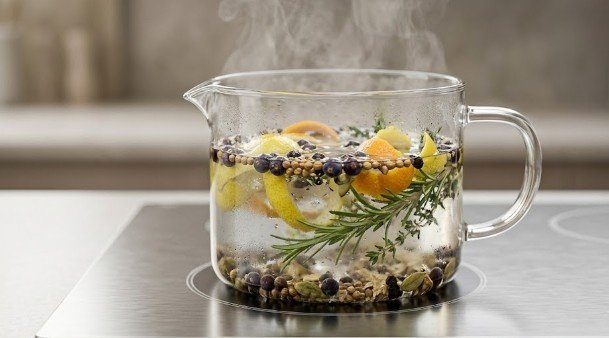
To begin, gently toast the juniper berries and coriander seeds in a dry saucepan over medium heat for two to three minutes until highly aromatic. Next, add the toasted spices, angelica root, and citrus peels to the three cups of water before bringing the mixture to a gentle boil.
Cover the pan, reduce the heat, and simmer the liquid gently for about ten to fifteen minutes to kickstart the flavor extraction.
Refining Your Stovetop Creation
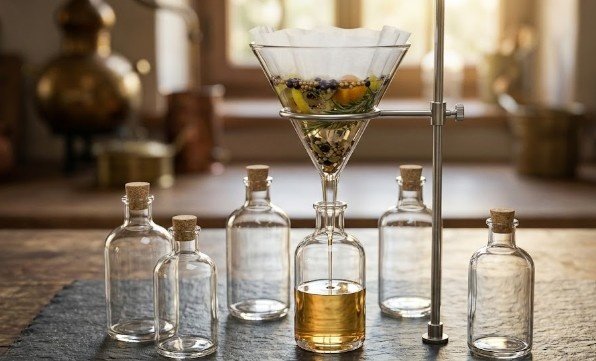
Remove the pan from the heat and let the mixture steep with the lid on for at least two to three hours as it cools to room temperature. Once cooled, strain the liquid through a fine-mesh sieve and then through a coffee filter to remove any lingering sediment.
Stir in the vegetable glycerin if using, pour into an airtight glass bottle, and store your finished batch in the refrigerator for up to one week.
The Sous Vide Method For Deep Flavor Extraction
For a deeper extraction of essential oils, try the sous vide technique. This captures the intense, layered aromatics typical of premium non-alcoholic spirits.
Preparing Your Premium Botanical Selection
This advanced method utilizes a precise heat environment to draw out the deepest therapeutic properties of your chosen plant materials. Gather two tablespoons of juniper berries, one tablespoon of coriander seeds, and one teaspoon of dried angelica root.
Add one teaspoon of star anise or fennel seeds, one teaspoon of white peppercorns, the peels of one lemon and one orange, two cups of water, and two cups of food-grade vegetable glycerin.
Precision Cooking Instructions
Place all of your prepared ingredients carefully into a large sous vide bag and seal it tightly to prevent water leakage. Submerge the sealed bag completely in a temperature-controlled water bath set to 90°C and let it cook undisturbed for exactly one hour.
This steady, high-temperature environment forces the delicate oils out of the pine needles and spices without scorching the mixture.
Cooling and Bottling Your Batch
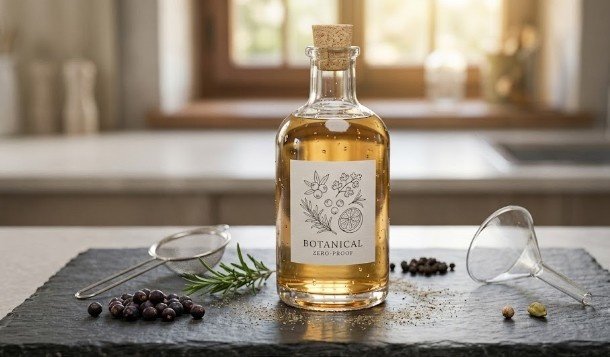
Remove the bag carefully from the hot water bath when the timer ends and let it cool completely on your countertop. Strain the botanicals out completely using a fine-mesh strainer followed by a coffee filter to guarantee a brilliantly clear final spirit. Pour the smooth, flavored liquid into a clean glass bottle and store it in the refrigerator to keep the flavors crisp.
How to Serve Non-Alcoholic Gin Like a Pro
Because there is no alcohol to dilute, non-alcoholic gins need to be treated with specific care to avoid tasting watery.
Balancing Your Pouring Ratios
Maintaining the perfect liquid balance ensures your homemade spirit shines brightly without getting buried by your mixers. Mix one part non-alcoholic gin with three to four parts of a high-quality tonic water inside your serving glass. This specific proportion preserves the intricate pine and citrus notes while allowing the effervescence of the tonic to lift the aromatics.
Utilizing Extreme Cold
Temperature plays a massive role in how our taste buds perceive flavor depth and refreshing structural qualities. Fill your serving glass entirely with large, clear ice cubes so the drink stays extremely cold and dilutes as slowly as possible.
Keeping the temperature low mimics the crisp bite of a standard cocktail and prevents the vegetable glycerin base from separating.
Garnishing With Fresh Aromatics
Because the botanicals in a non-alcoholic spirit are muted compared to traditional spirits, you need to rely on your garnish to provide the aroma. Use a fresh sprig of rosemary, a strip of fresh grapefruit peel, or a cracked juniper berry to top off the drink.
These fresh garnishes release immediate surface oils that greet your nose before every single sip you take.
Frequently Asked Questions
1. Is there a non-alcoholic substitute for gin?
Yes, high-quality commercial zero-proof spirits serve as excellent direct alternatives for your bar. You can also easily learn how to make non alcoholic gin at home using fresh grocery store spices and a basic kitchen saucepan.
2. What are the ingredients in non-alcoholic gin?
Authentic recipes require dried juniper berries, coriander seeds, fresh citrus zests, and various earthy roots like angelica. Many premium recipes also incorporate vegetable glycerin to replicate the smooth texture and mouthfeel of traditional liquor.
3. Does gin help with mucus?
Natural juniper berries contain unique organic compounds that have historically been utilized to help clear respiratory pathways. Drinking a warm botanical infusion can offer comforting, hydrating support for your body when you feel congested.
4. Is non-alcoholic beer ok for gout?
Non-alcoholic beer still contains purines derived from the brewing yeast, which can potentially trigger painful joint inflammation. Enjoying a purine-free botanical spirit alternative is a much safer choice for keeping your joints happy.
Shaking Up the Spirit Free Revolution
Embracing mindful drinking allows you to honor your personal physical wellness while fully enjoying the sophisticated social rituals of a great evening drink. Mastering how to make non alcoholic gin opens up a world of clean, vibrant, and antioxidant-rich plant botanicals that love your body back.
You can have it with homemade tonic water anytime for refreshment. Keep experimenting with your custom flavor profiles, pour mindfully, and enjoy every single refreshing, zero-proof sip.