Walking down the commercial beverage aisle can feel like a constant battle against hidden additives, plastic bottles, and excessive sugar loads. Mixing up a premium craft cocktail or a refreshing afternoon mocktail should feel like an elevated wellness ritual rather than a chemical compromise.
Stepping into the world of artisan home brewing allows you to reclaim your glass by choosing exactly what enters your body. Learning how to make homemade tonic water gives you the ultimate control over flavor profiles, ingredient sourcing, and sugar content.
Making tonic water at home is easier than you might think! You will make a highly concentrated tonic syrup first using cinchona bark (which contains natural quinine), then mix it with carbonated water on demand. This two-step delivery system ensures that every single glass you pour stays incredibly bubbly, crisp, and robustly flavored without going flat in your refrigerator.
Why Learn How To Make Homemade Tonic Water Anyway
Industrial sodas are fundamentally boring and packed with artificial corn syrups that dull your palate and spike your blood sugar. Taking control of your home bar means you get to act like a mad scientist, infusing wild botanicals, fresh zests, and clean sweeteners into a custom beverage.
Learning how to make homemade tonic water saves you cash, rescues the planet from plastic waste, and guarantees a drink tailored exactly to your unique wellness goals.
Gathering Your Premium Botanical Elements
Authentic tonic relies on a highly specific matrix of roots, barks, and fruits to achieve its signature tongue-drying bite. Navigating these ingredients with a mindful approach ensures your home bar remains safe, healthy, and incredibly flavorful.
Selecting Your Quinine Source
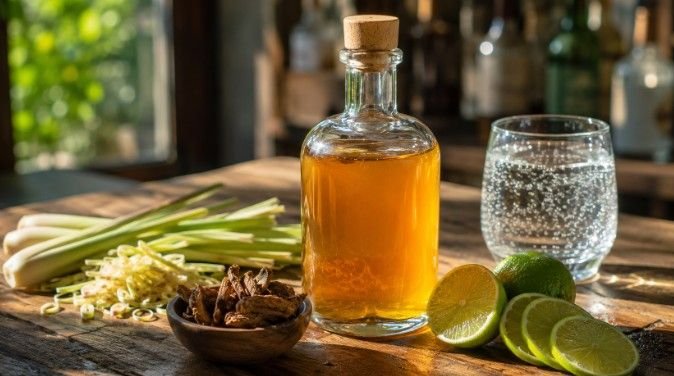
The foundational element of any true tonic is a quarter cup of cut cinchona bark to provide that authentic, earthy bitterness. Safety is paramount when working with wild-harvested botanicals, meaning you must always purchase cut cinchona chips rather than fine powders.
Fine powders easily bypass standard kitchen filters, which can lead to cloudy syrups and accidental over-extraction. Utilizing distinct, cut bark chips allows for precise filtration, giving you a clean, beautiful golden syrup with a perfectly balanced bitter backbone.
Sourcing Balanced Organic Acids
Achieving that sharp, tart bite requires adding a quarter cup of pure citric acid to your botanical infusion. This natural compound acts as both a flavor enhancer and a natural preservative, keeping your syrup fresh for weeks. It balances the deep bitterness of the bark, mimicking the natural crispness found in premium store-bought brands without relying on synthetic chemicals.
Choosing Citrus and Ground Botanicals
Weaving functional ingredients into your brew turns a simple mixer into an active powerhouse of plant-based wellness. You will need the fresh zest of one lemon, one lime, and one orange, alongside one chopped stalk of fresh lemongrass.
Throwing in supporting spices like a pinch of whole allspice berries or cracked cardamom pods adds warming, complex undertone layers that stimulate healthy digestion.
Picking The Ultimate Sweetener Base
The liquid foundation requires three cups of filtered water paired with three cups of natural cane sugar or low-glycemic alternatives. While traditional recipes call for raw sugar, wellness enthusiasts can easily swap this for monk fruit or allulose to create a keto-friendly alternative. This creates the dense syrup body needed to suspend your botanical oils and carry the flavor through your final carbonated drink.
Master The How To Make Homemade Tonic Water Process
Transforming raw herbs into a sparkling, refreshing beverage is an incredibly satisfying kitchen project that requires zero advanced mixology gear. Follow these precise cooking phases to ensure a safe, delicious, and perfectly filtered botanical concentrate.
Simmering The Raw Ingredients
Combine the water, cinchona bark, citrus zests, lemongrass, and chosen spices together inside a non-reactive stainless steel saucepan. Place the pan over medium-high heat and bring the liquid to a brief boil, then reduce the heat, cover, and simmer for 20 to 25 minutes.
This gentle thermal extraction allows the heat to draw out the deep pigments, healing antioxidants, and essential oils without scorching the delicate citrus notes.
Straining The Warm Botanical Infusion
Remove the saucepan from the heat and strain out the bulk of the botanicals using a fine mesh sieve into a large glass bowl. To ensure no grainy bark particles are left behind, press the remaining pulp with a spoon to extract every drop of flavor. Run the liquid a second time through a layer of cheesecloth or a paper coffee filter to achieve perfect clarity and safety.
Cooking The Concentrated Syrup
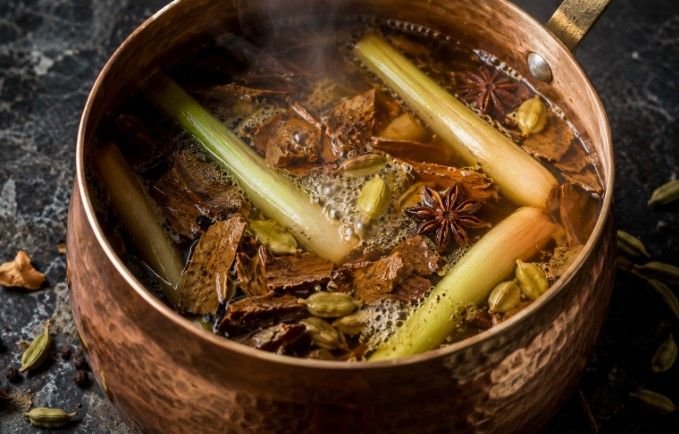
Pour your strained, botanical liquid back into a clean saucepan, add the sweetener and the citric acid, and heat very gently. Stir the mixture continuously over low heat until the granules are fully dissolved into the dark, aromatic liquid. Avoid letting the mixture boil during this phase, as you only want enough warmth to incorporate the crystals without evaporating the water.
Cooling And Storing The Elixir
Let the completed syrup cool completely to room temperature on your counter to prevent condensation from thinning the mixture. Transfer the cooled fluid into a sterilized glass bottle or jar and store it securely in the refrigerator. This potent concentrate will remain fresh, aromatic, and perfectly preserved for up to a full month of home mixology.
Mixing Your Sparkling Beverage
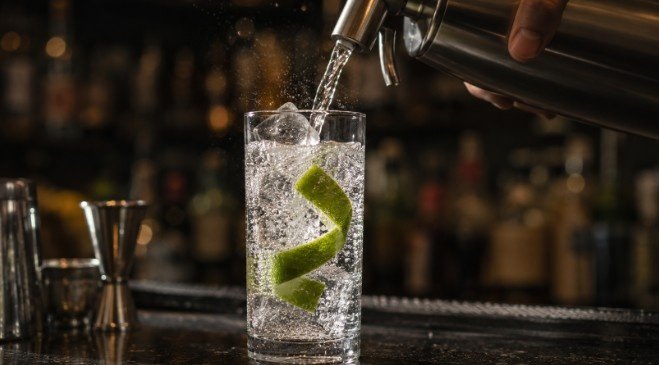
For each individual serving, combine one part finished tonic syrup with four parts plain carbonated water in a tall glass over fresh ice. You can create your bubbles using a soda siphon, a SodaStream, or a standard bottle of store-bought club soda. Stir the drink slowly from the bottom to integrate the dense syrup without releasing your precious carbonation bubbles.
Frequently Asked Question
1. Is tonic water safe for diabetics when studying how to make homemade tonic water safely?
Commercial options are packed with sugars that trigger severe blood sugar spikes, making them highly dangerous for glucose management. However, creating this custom DIY version with monk fruit or allulose keeps the beverage completely sugar-free, low-glycemic, and perfectly safe for diabetic lifestyles.
2. Does tonic water help with cramps?
Historically, the quinine found in cinchona bark was used as a medical treatment to soothe nocturnal leg cramps. While modern homemade versions contain small, safe amounts for flavoring rather than medical dosing, many enthusiasts still report experiencing soothing muscle relaxation.
3. Is tonic water ok for celiacs?
Pure homemade versions made from wild barks, fresh citrus fruits, and clean spices are entirely gluten-free. Crafting it yourself eliminates any risk of cross-contamination or hidden gluten-containing stabilizers found in industrial bottling plants.
4. Does tonic water prevent malaria?
Ancient tonic formulations contained massive, highly therapeutic doses of quinine specifically designed to fight off tropical parasites. Modern craft recipes use a fraction of that bark purely for bitter flavor, rendering it medically ineffective against malaria.
Time To Get Bubbly With Your Bad Self
Ditching mass-produced sodas in favor of this clean, artisanal approach is a massive win for your daily wellness goals. By controlling the filtration, selecting organic ingredients, and swapping out processed sugars for keto-friendly alternatives, you transform a basic bar mixer into a vibrant wellness elixir.
You can prep low sugar non alcoholic summer drinks using this homemade gin. Keep a bottle of this golden concentrate tucked inside your fridge, and you will always be seconds away from the ultimate refreshing drink.