Choosing between a pizza stone vs pizza steel for home oven use is really a choice between gentle heat and aggressive heat. If your goal is a crisp, browned, restaurant-style base in a regular kitchen oven, I would choose a pizza steel most of the time.
A pizza stone still has a place. It is cheaper, lighter, and better for bread-style baking. But for pizza night, especially when I want that crisp bottom before the toppings dry out, steel has the edge.
Quick Verdict: Which One Should You Buy?
For most home pizza makers, a pizza steel is the stronger buy. It transfers heat faster, browns the base harder, and recovers heat better between pizzas. That matters because most U.S. home ovens cannot reach true wood-fired pizza temperatures.
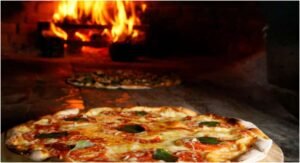
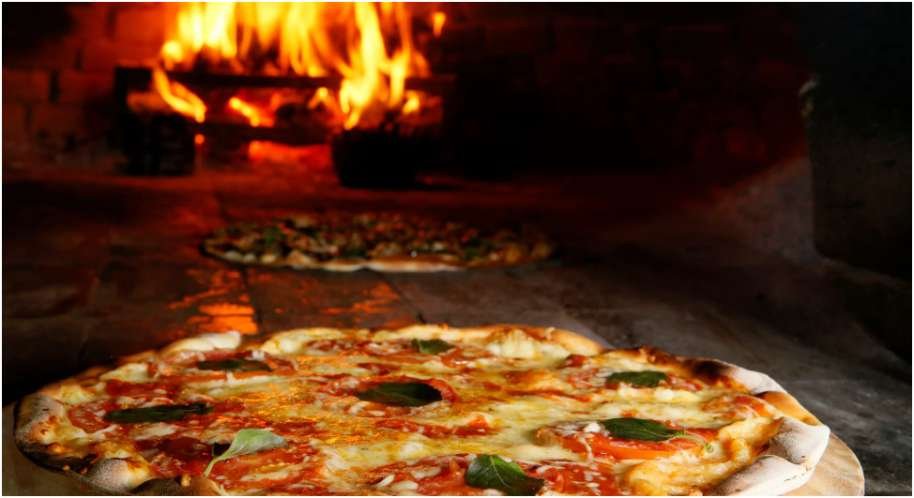
Authentic Neapolitan pizza is traditionally baked in a wood-fired oven at about 430°C to 480°C, or roughly 806°F to 896°F, for 60 to 90 seconds. A standard home oven usually sits far below that range, so the baking surface has to work harder. A steel helps close that gap better than a stone.
I would choose a pizza stone only if budget, weight, bread baking, or storage matters more than the crispest pizza crust.
Pizza Steel vs Pizza Stone: What Actually Changes in a Home Oven
The biggest mistake is thinking both tools simply “hold heat.” They do, but they release heat very differently. That release changes the crust.
Heat Transfer Is the Real Difference
A pizza steel is usually made from carbon steel or iron. A pizza stone is usually ceramic, cordierite, clay, or composite stone. The difference sounds small until the dough hits the surface.
General steel thermal conductivity is commonly listed around 44 to 52 W/m-K, while cordierite is listed around 2.5 W/m-K. That is why people often say steel can conduct heat around 20 times faster than a pizza stone material.
That heat transfer creates fast oven spring. The bottom of the dough sets quickly, moisture flashes off, and the crust browns before the cheese or sauce overcooks. When I compare pizza stone vs pizza steel for home oven results, this is the first difference I notice: steel gives a more confident crunch.
Heat Recovery Matters After the First Pizza
The first pizza is not the full test. The second one exposes the weakness.
When raw dough lands on a hot surface, it pulls heat away. A stone gives up heat more slowly and also recharges more slowly. A steel loses surface heat too, but it recovers faster because metal conducts heat better through the whole plate.
That makes steel better when baking two, three, or four pizzas for family or guests. You do not have to pause as long between pies. Serious Eats’ 2026 pizza steel testing also notes that steel transfers heat rapidly, supports oven spring, and can act as a heat sink that stabilizes a temperamental oven.
Durability, Weight, and Care Are Not Small Details
A pizza stone feels easier at first because it is usually lighter and cheaper. The downside is fragility. Stones can crack from sudden temperature changes, rough handling, or trapped moisture. I never soak one, and I avoid soap because porous stone can hold smells.
A pizza steel is the opposite. It is heavy, blunt, and hard to damage. It can rust if neglected, so it should be dried well after cleaning. Some steels also need seasoning, like cast iron. Serious Eats notes that many steel messes can be handled by baking off stuck food, brushing crumbs, and drying thoroughly after washing.
The trade-off is weight. A 14-inch or 16-inch steel can feel awkward when it is hot. If lifting heavy cookware is difficult, a stone may be safer.
Best Baking Surface for Home Oven Pizza by Crust Style
The best tool depends on what you bake most. A thin pizza and a crusty loaf do not need the same heat behavior.
Thin Crust, NY-Style, and Neapolitan-Inspired Pizza
For thin crust, New York-style, bar-style, and Neapolitan-inspired pizza, I prefer steel. These styles benefit from fast bottom heat. The crust should brown before the top becomes dry or leathery.
This is where the pizza stone vs pizza steel for home oven debate becomes simple. Steel pushes more energy into the dough in less time. That means better spotting, firmer structure, and a base that can hold sauce without turning limp.
A steel will not fully turn a 500°F oven into a 900°F wood-fired oven. That claim goes too far. But it does make a normal oven behave more aggressively, which is exactly what pizza needs.
Bread, Pastries, and Gentler Baking
A pizza stone is still useful when I want gentler heat. Bread, rolls, calzones, and pastries often need more time for the center to bake. A steel can brown the bottom too fast before the inside finishes.
For sourdough or rustic loaves, a stone gives steadier, less aggressive bottom heat. It encourages crust development without scorching the base too quickly. If your oven work is half pizza and half bread, a stone may feel more balanced.
My Second-Pizza Test: The Detail Most Reviews Miss
Here is my practical rule: judge the tool by pizza number two.
One pizza can flatter almost any preheated surface. The real test starts when you launch another pizza three minutes later. If the second crust bakes pale, soft, or uneven, the surface is not recovering fast enough.
For a home oven pizza night, I would run it this way. Preheat the steel or stone at the oven’s highest setting for at least 45 minutes. Bake the first pizza. Wait three minutes. Bake the second pizza with the same dough weight and toppings.
If pizza two looks close to pizza one, the surface is doing its job. In most kitchens, steel wins that test. That is the original reason I recommend steel for families, game nights, and anyone baking multiple pies.
How I Would Use Each One for Better Results
Good tools still need good technique. A steel can burn a crust if the dough is too sugary or the rack is too low. A stone can underperform if it is not fully preheated.
How to Use a Pizza Steel
I place the steel on the upper-middle rack, preheat the oven at its highest setting for 45 minutes, and launch the pizza with a lightly floured peel. For extra top browning, I turn on the broiler for the final minute if the oven allows it safely.
For NY-style pizza, I keep toppings moderate. Heavy sauce, wet mozzarella, and overloaded vegetables slow the bake. Steel works best when the pizza can cook fast.
Steel is also excellent for reheating leftover slices, but food safety still matters. USDA guidance says leftovers should reach 165°F when reheated.
How to Use a Pizza Stone
I preheat a stone longer than a steel, usually close to an hour. Stone needs time to heat all the way through. I also keep it dry, avoid sudden temperature swings, and let it cool completely before moving it.
A stone works best for moderate, steady baking. If the crust is pale, I move the rack lower next time or extend preheating. If the bottom browns too slowly, the oven may not be hot enough for that dough style.
Buying Advice: Match the Tool to Your Cooking Style
Buy a pizza steel if pizza is the main event. It is best for crisp crust, thin pies, multiple pizzas, and long-term durability. I would look for at least 1/4-inch thickness because thinner plates lose heat faster and may not perform as well. Serious Eats also identifies 1/4 inch as the minimum thickness it prefers for top steel results.
Buy a pizza stone if you want a lower-cost tool that also works well for bread and gentler baking. It is easier to store, easier to lift, and less expensive to replace.
For the average buyer comparing pizza stone vs pizza steel for home oven performance, I would put it this way: steel is the pizza specialist, stone is the baking generalist.
FAQs About Pizza Stone vs Pizza Steel for Home Oven
1. Is pizza steel better than pizza stone for home oven pizza?
Yes, pizza steel is usually better for home oven pizza because it transfers heat faster and creates a crispier base.
2. Does a pizza stone make pizza crispy?
Yes, a pizza stone can make pizza crispy, but it usually browns the crust slower than a steel.
3. Can I use a pizza steel for bread?
You can, but watch the bottom crust because steel may brown bread faster than stone.
4. Is pizza steel worth it for beginners?
Yes, if pizza is your main goal; beginners often get better crust results with steel than stone.
The Crust Has Spoken, So Stop Guessing
The pizza stone vs pizza steel for home oven choice comes down to what you want most. If you want crisp, browned, pizzeria-style pizza from a regular oven, buy the steel and learn how to use it well.
If you bake more bread than pizza, or you want a lighter and cheaper tool, buy the stone. Both can improve homemade pizza, but only one behaves like it is impatient for a better crust. That one is steel.