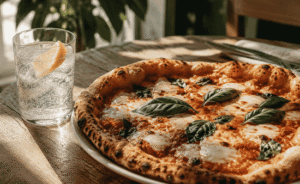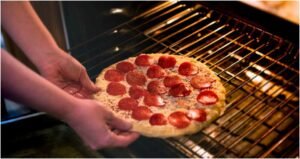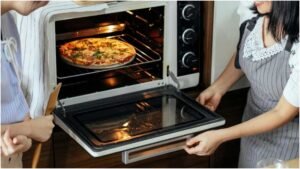
I used to blame my oven every time my homemade pizza came out pale, floppy, or wet in the middle. Then I realized the real problem was me stacking small errors before the pizza even hit the heat. The biggest pizza baking mistakes to avoid at home usually come down to three things: cold dough, too much moisture, and a baking surface that never got hot enough.
Once I fixed those, my pizza changed fast. The crust browned better, the middle stopped sagging, and the toppings tasted sharper instead of watery.
Why Homemade Pizza Goes Wrong So Fast
Pizza looks simple, but it punishes shortcuts. Dough needs air. Sauce needs thickness. Cheese needs balance. The oven needs serious heat. If one part is off, the whole pizza suffers.
A home oven cannot fully copy a commercial pizza oven, but it can still produce a crisp, golden base. King Arthur Baking recommends using a baking stone or steel because it gives the underside of the pizza a concentrated burst of heat. Their pizza crust guidance also recommends preheating a baking stone for 45 to 60 minutes before baking.
That one detail matters because most soggy pizza starts underneath.
Dough Pizza Baking Mistakes to Avoid at Home
Dough mistakes happen early, but they show up late. If the dough tears, snaps back, or bakes dense, the problem usually started before the toppings went on.
Using a Rolling Pin on Pizza Dough
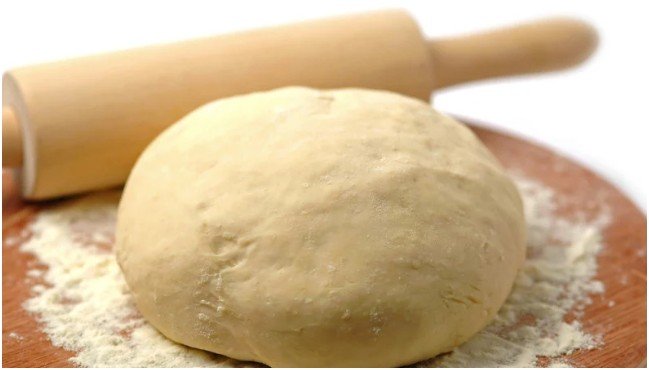
A rolling pin may feel easier, but it crushes the air bubbles that give pizza crust its light texture. I only use my hands now. I press from the center outward, then stretch gently around the edges.
The goal is not a perfect circle. The goal is a crust with life in it. A slightly uneven hand-stretched pizza almost always beats a flat, overworked one.
Baking Cold Dough Straight From the Fridge
Cold dough fights back. It shrinks, tears, and bakes unevenly. I let refrigerated dough rest at room temperature for about two hours before shaping. That makes it softer, stretchier, and easier to handle.
Cold fermentation can improve flavor, but the dough still needs time to relax before baking. Ooni’s cold-proof dough guidance recommends a 24- to 72-hour cold proof for flavor development, but the dough should not be treated like a frozen puck when shaping.
Choosing the Wrong Flour
All-purpose flour can work, but it often gives a softer crust. For better chew and structure, I prefer bread flour. If I want a more Neapolitan-style pizza texture, I use Tipo 00 flour.
Higher-protein flour helps the dough hold shape and trap gas. That means better rise, better bite, and less chance of a limp base.
Sauce and Topping Mistakes That Cause Soggy Pizza Crust
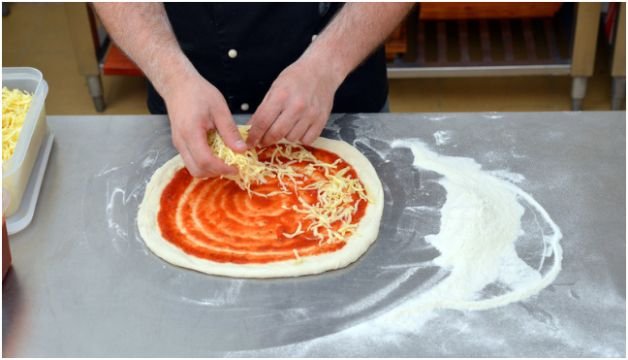
Most pizza baking mistakes to avoid at home are really moisture mistakes. The dough can be perfect, but watery toppings will still ruin it.
Adding Too Much Sauce
Pizza sauce should flavor the dough, not drown it. I use less sauce than feels natural and spread it thinly. A heavy layer blocks heat and soaks into the crust.
If the sauce looks loose, simmer it until it turns thick and paste-like. Watery sauce is one of the fastest ways to get a wet middle.
This is where many home cooks ask, why is my homemade pizza soggy in the middle, and the answer is usually simple: too much moisture is trapped under too many toppings.
Using Wet Toppings Without Pre-Cooking
Raw mushrooms, zucchini, onions, bell peppers, and fresh tomatoes release water as they bake. That water has nowhere to go, so it sinks into the dough.
I sauté watery vegetables first. I do not cook them to death. I only drive off excess moisture. That small step keeps the crust crisp and makes the toppings taste more concentrated.
Using Cold Sauce or Watery Cheese
Cold sauce slows down baking where the crust needs fast heat. I keep sauce at room temperature before topping the pizza.
Fresh mozzarella can also flood a pie. I slice it and drain it on paper towels for 30 minutes. For a classic home pizza, low-moisture mozzarella is easier to control. I also avoid cheap pre-shredded cheese when I can because it often melts less smoothly.
A thin brush of olive oil on the dough can also help. I use it as a light barrier before adding sauce. It does not make the pizza greasy if the layer is thin.
Oven Pizza Baking Mistakes to Avoid at Home
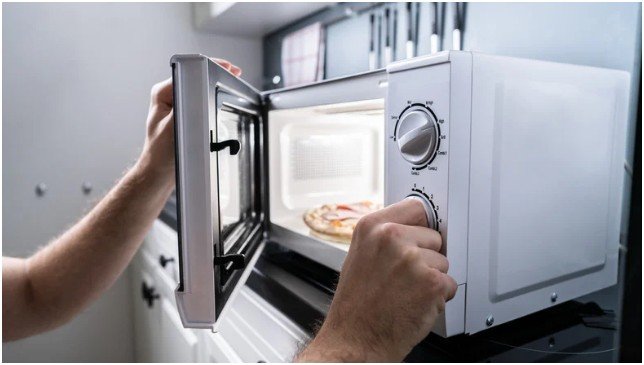
Your toppings can be perfect, but a cold oven setup will still betray you. Pizza needs aggressive heat from below and above.
Baking at a Low Temperature
I bake pizza at the highest temperature my oven allows, usually 500°F to 550°F in many US home ovens. If your oven tops out lower, use the maximum setting and give the surface more time to preheat.
High heat evaporates moisture faster. It also helps the crust brown before the toppings dry out.
Using a Cold Tray Instead of a Hot Stone or Steel
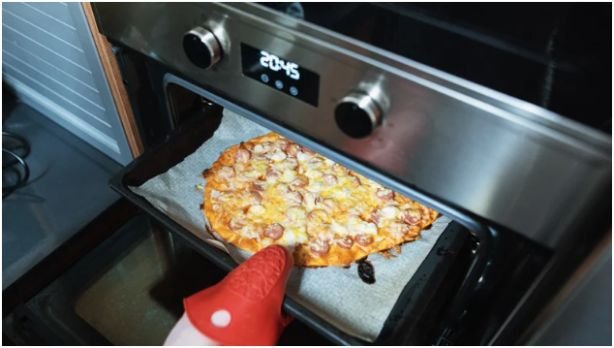
A cold baking sheet is one of the worst pizza baking mistakes to avoid at home because it insulates the dough instead of shocking it with heat. That creates a pale, soft bottom.
A pizza stone helps, but a baking steel can be even more powerful because steel conducts heat quickly. King Arthur Baking notes that steel transfers heat well, helping pizza crust cook faster and more evenly.
I preheat my steel for one full hour. No shortcuts. That hour is the difference between “homemade pizza” and “wait, this is actually good.”
For a deeper crust-focused fix, I would build the whole bake around how to make pizza crust crispy before changing the toppings.
Baking on Cardboard
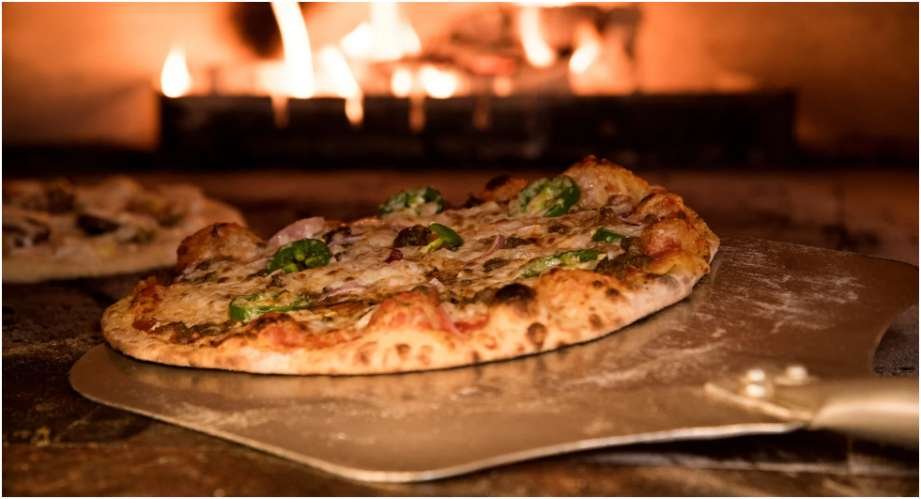
Never bake pizza on cardboard. It can scorch, smoke, or catch fire. Use parchment paper rated for your oven temperature, or launch the pizza with a peel dusted lightly with semolina.
Semolina works better than regular flour for launching because it rolls under the dough like tiny beads. Use a light hand, though. Too much burns and tastes bitter.
My Simple Home Pizza Fix That Works
My best result came from changing the order of operations. I preheated the steel for one hour at full heat. I rested the dough for two hours. I used thick sauce, drained cheese, and sautéed mushrooms. I kept toppings sparse.
The pizza baked faster, lifted better, and stayed crisp after slicing. Nothing fancy. No outdoor oven. No secret ingredient. Just fewer mistakes working against the crust.
My rule now is simple: if a topping contains water, manage it before baking. If a surface touches the dough, heat it first. If the dough feels tight, give it time.
That rule solves most pizza baking mistakes to avoid at home without buying expensive gear.
Food safety still matters when pizza includes meat toppings. FoodSafety.gov advises using a food thermometer to check that meat reaches safe minimum internal temperatures, and USDA guidance says leftovers should be reheated to 165°F.
FAQs
1. What are the biggest pizza baking mistakes to avoid at home?
The biggest mistakes are cold dough, watery toppings, too much sauce, low oven heat, and using a cold baking tray.
2. Why is my homemade pizza crust soggy?
Your crust is usually soggy because the sauce, cheese, or toppings released too much moisture during baking.
3. Should I preheat a pizza stone or steel?
Yes, preheat it for 45 to 60 minutes so the crust gets strong bottom heat right away.
4. Is bread flour better for homemade pizza?
Bread flour usually gives better chew, structure, and browning than all-purpose flour.
Final Slice: Stop Bullying Your Pizza
The best homemade pizza is not about doing something dramatic. It is about stopping the little crimes: cold dough, wet toppings, weak heat, overloaded sauce, and a sad baking tray that never had a chance.
Once I treated pizza like a heat-and-moisture project, the results finally made sense. Start with one fix tonight: preheat your stone or steel for a full hour. Your crust will know the difference.