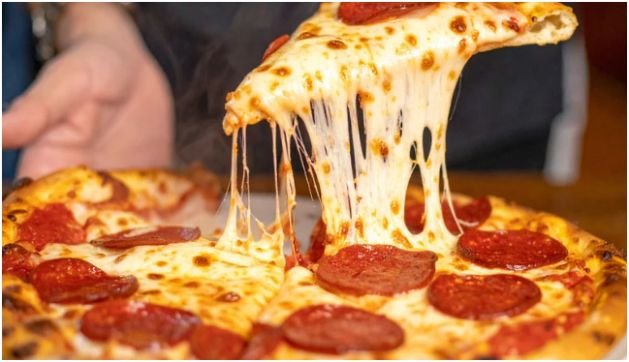
Bad pizza cheese usually fails in one of three ways: it burns, turns oily, or sits on top like pale rubber. If you want to know how to get pizza cheese to melt perfectly, the answer is not just “add more cheese.” It is choosing the right mozzarella, managing moisture, and baking hot enough for the crust and cheese to finish together.
I treat pizza cheese like a timing problem. The crust needs strong bottom heat. The cheese needs fast top heat. The sauce and toppings need enough restraint to avoid steaming everything. When those parts line up, the cheese melts into that glossy, stretchy layer every homemade pizza deserves.
Why Pizza Cheese Melts Poorly at Home
Most home pizza problems start before the pizza reaches the oven. Cold cheese, wet cheese, overloaded toppings, and weak oven heat can all ruin the melt.
Mozzarella is popular because its pizza performance depends on melt, stretch, oil release, elasticity, and browning. Those are the exact functional traits researchers identify as important for mozzarella used in cooked foods.
The problem is that home ovens do not behave like commercial pizza ovens. A restaurant deck oven may blast the pizza with intense heat from above and below. A standard US home oven often gives you slower, uneven heat. That means your cheese may sit too long before melting, which can lead to dry patches, grease pools, or scorched edges.
The Best Cheese for Pizza Melt and Stretch
Whole-Milk Low-Moisture Mozzarella Is the Safe Bet
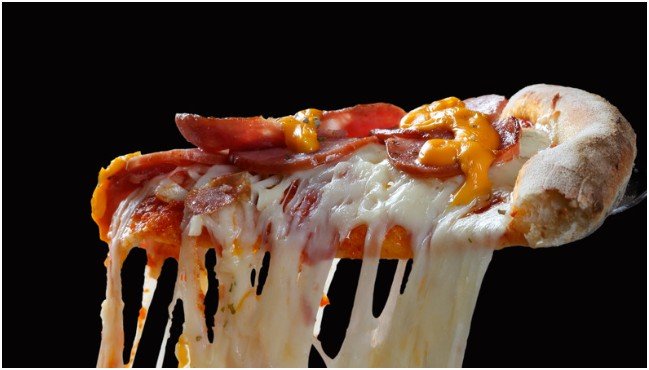
For the most reliable melt, I choose whole-milk, low-moisture mozzarella. It has enough fat for a creamy melt and enough structure for stretch. It also contains less water than fresh mozzarella, so it is less likely to flood the pizza.
Part-skim mozzarella can work, but it often melts slightly firmer. Whole-milk mozzarella gives a softer bite and better cheese pull. That is why it is my first choice for classic American-style homemade pizza.
When Fresh Mozzarella Works
Fresh mozzarella can be beautiful on pizza, but it needs prep. The ball-packed-in-water style carries a lot of moisture. If I use it straight from the container, the pizza can turn soupy before the crust firms.
I drain fresh mozzarella, slice it, and press it between paper towels for 15 to 20 minutes. Then I use small pieces instead of thick rounds. This helps the cheese melt quickly without dumping water into the center of the pizza.
Best Cheese Blends for Better Flavor
Mozzarella gives stretch, but it is mild. For more flavor, I blend it with provolone, Fontina, Monterey Jack, young Gouda, or a small amount of Parmesan.
My usual mix is mostly mozzarella with a smaller amount of provolone. That keeps the cheese stretchy while adding a deeper, slightly sharper flavor. Fontina makes the melt creamier. Monterey Jack gives a soft, smooth finish. Parmesan adds salt and browning, but I use it lightly because it does not stretch like mozzarella.
How to Prepare Cheese Before It Hits the Pizza
Skip Pre-Shredded Cheese
Pre-shredded cheese is convenient, but it is not my first choice for pizza. Packaged shreds often include anti-caking ingredients that keep the pieces separate in the bag. The FDA’s grated cheese standard allows safe and suitable anti-caking agents, and USDA material notes that powdered cellulose is used as an anti-caking agent in shredded cheese and spices.
Those ingredients are not the enemy. They help packaged cheese flow and prevent clumping. But for pizza, they can interfere with a smooth, glossy melt. A block of mozzarella gives me better texture almost every time.
Shred Thick, Not Dusty
I avoid fine, fluffy shreds. They melt too fast, dry out quickly, and can brown before the crust finishes. Thick shreds or thin slices melt more evenly.
A coarse box grater works well. If the cheese is too soft to grate cleanly, I chill it for 10 minutes first. I do not freeze it solid because frozen cheese can release moisture unevenly when it hits the oven.
Let the Cheese Warm Slightly
Cold cheese and a blazing hot oven do not always cooperate. When cheese goes straight from the fridge onto pizza, the outside can overheat before the center relaxes. That can cause greasy separation.
I let shredded cheese sit on the counter for about 15 minutes while the oven finishes preheating. I do not leave it out for hours. I just take off the chill so it melts smoothly and quickly.
Oven Heat: The Real Secret Behind Gooey Pizza Cheese

Bake Hot Enough
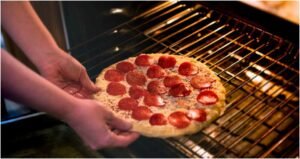
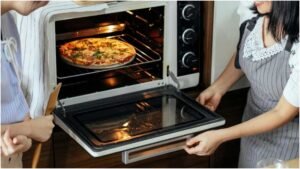
A low oven gives cheese too much time to dry out. For home pizza, I preheat between 450°F and 500°F. That range helps the crust bake fast while the cheese melts before it separates.
The cheese should bubble, relax, and develop a few golden spots. If it turns brown before the crust is done, the oven position may be too high or the cheese layer may be too thin.
Use a Pizza Stone or Steel
A pizza stone or pizza steel helps solve the biggest home-oven problem: weak bottom heat. I preheat mine for 30 to 45 minutes before baking. That stored heat pushes the crust to cook quickly from below.
This matters because cheese melt and crust doneness should finish at nearly the same time. If the crust lags behind, the cheese keeps baking too long. That is when it gets greasy, rubbery, or dry.
For leftover slices, the same moisture logic applies to reheat pizza without making it soggy because reheating cheese without ruining the crust follows the same heat-balance principle.
Finish With the Broiler
The broiler is my rescue move. If the crust is done but the cheese still looks pale, I turn on the broiler for the final 60 to 90 seconds.
I watch it closely. The broiler can take cheese from perfect to burnt fast. The goal is small bubbling brown spots, not a blistered cheese desert.
Browning comes from food chemistry, not luck. The American Chemical Society explains that the Maillard reaction helps brown pizza dough and toppings while creating flavor compounds.
My Melt Window Method for Homemade Pizza
My best formula is simple: dry cheese, warm cheese, hot base, short bake, quick broiler finish.
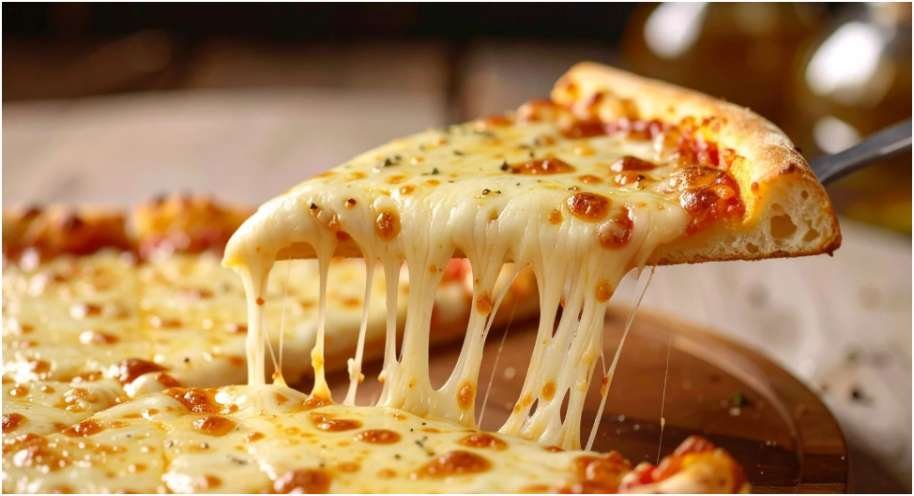
I call this the melt window because perfect pizza cheese has a narrow moment. Before that moment, it looks stiff and uneven. After it, the fat can separate and the surface can toughen. The sweet spot is glossy, relaxed, and lightly blistered.
For a 12-inch homemade pizza, I use about 4 to 5 ounces of cheese. I spread it evenly, but I do not bury the sauce. I leave small gaps so steam can escape. Too much cheese traps moisture and slows the bake.
If I add vegetables, I cook watery ones first. Mushrooms, spinach, onions, and peppers can release enough moisture to ruin the center. Pepperoni and sausage also add fat, so I use slightly less cheese when the toppings are rich.
Common Pizza Cheese Mistakes to Avoid
The first mistake is using too much cheese. More cheese does not always mean a better melt. It can insulate the sauce, slow the crust, and create a greasy layer.
The second mistake is using wet fresh mozzarella without draining it. That gives you puddles instead of cheese pull.
The third mistake is baking on a cold tray. A cold pan delays the crust while the cheese keeps cooking. That timing mismatch causes many homemade pizzas to taste heavy.
The fourth mistake is adding cheese too early on a thick pizza. If I make a very thick crust, I sometimes par-bake the dough with sauce for a few minutes, then add cheese near the end. That keeps the cheese soft instead of overbaked.
FAQ
1. Why is my pizza cheese not melting?
Your cheese may be too cold, too dry, pre-shredded, or baked at too low a temperature.
2. What cheese melts best on homemade pizza?
Whole-milk, low-moisture mozzarella melts best for a classic stretchy pizza texture.
3. How do I stop pizza cheese from getting greasy?
Use less cheese, avoid overbaking, and let cold cheese warm for 15 minutes before baking.
4. Should I use fresh mozzarella or shredded mozzarella?
Use low-moisture mozzarella for reliability and fresh mozzarella only after draining it well.
Conclusion: Let the Cheese Pull Do the Talking
Perfect pizza cheese is not about dumping half a bag over the sauce and hoping for drama. It is about control. Choose whole-milk low-moisture mozzarella, shred it yourself, warm it slightly, bake hot, and use the broiler only when the pizza needs a final glow-up.
That is how to get pizza cheese to melt perfectly without soggy crust, rubbery patches, or sad grease puddles. Respect the melt window, and your next slice will stretch like it knows it is being watched.