
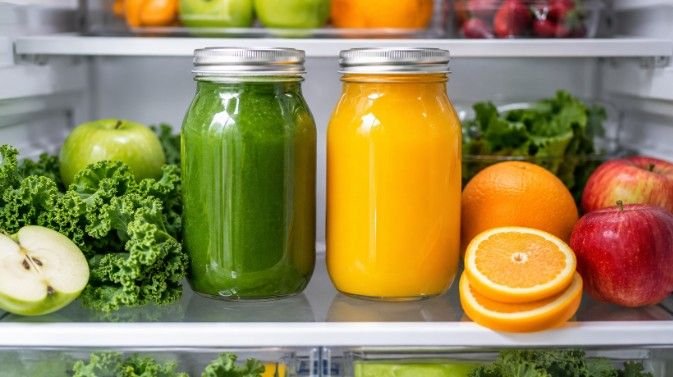
Imagine waking up to a vibrant, crisp glass of liquid wellness that you pulled right from your own refrigerator. Stepping into the kitchen to prepare your nutrient-dense wellness drinks ahead of time can feel like the ultimate health victory, but learning how to store fresh squeezed juice properly is the real secret to preserving those precious live enzymes.
The Liquid Gold Rescue Mission
Why do we desperately need a master plan for our colorful wellness creations? Think of fresh produce as a ticking nutritional time bomb that begins losing its vibrant health powers the absolute second it touches a juicer blade.
Learning how to store fresh squeezed juice keeps your hard-earned vitamins alive, saves you money, and prevents your kitchen counter from turning into a sad graveyard of brown, oxidized liquids.
The Secret Science of Beverage Degradation
Exposing fresh produce to a juicer blade initiates an immediate race against time and structural decay. When we shatter the dense cellular walls of raw vegetables and fruits, we unleash their internal contents to external elements like atmospheric oxygen, ambient indoor light, and room temperature.
Cellular Breakdown Mechanics
The immediate destruction of organic plant walls triggers a chemical reaction known as oxidation, which is exactly why a sliced apple turns brown when left on a kitchen counter.
In the fluid world of wellness drinks, this rapid breakdown alters the molecular structure of sensitive vitamins and antioxidants, steadily diminishing the nutritional therapeutic value of your beverage.
Temperature Sensitive Issues
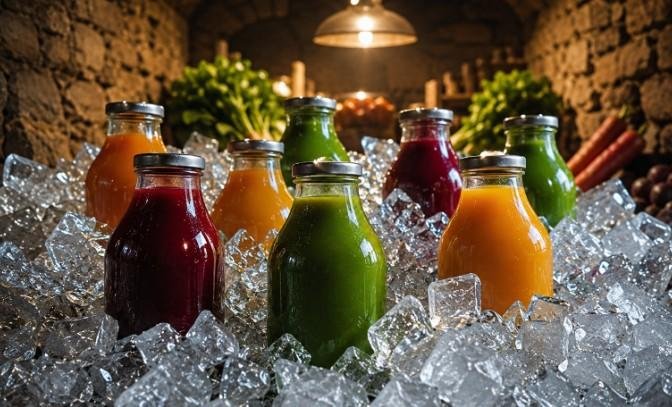
Thermal energy accelerates chemical reactions, meaning a warm environment will destroy vital nutrients and active plant enzymes much faster than a chilled one. Keeping your raw wellness drinks inside a cold environment significantly decreases molecular movement, effectively putting the structural decay of delicate micro-nutrients on a temporary hold.
Atmospheric Light Damage
Visible light wavelengths act as a catalyst for photo-oxidation, a process that strips away vital nutrients like vitamin C and sensitive B vitamins. Storing your colorful creations inside a dark environment ensures that light waves cannot penetrate the liquid and compromise the therapeutic strength of your ingredients.
Selecting the Best Preservation Vessel
Selecting the proper home container plays a monumental role in determining how long your fresh, raw elixirs will stay safe and chemically stable. Substandard vessels can easily ruin the clean, organic taste of your wellness drinks while introducing unwanted chemicals into your daily routine.
Tempered Glass Dominance
Glass remains the gold standard for health-conscious individuals because it is completely non-porous, entirely inert, and free from industrial chemicals like BPA. Investing in premium glass bottles or traditional wide-mouth glass mason jars ensures your acidic citrus or heavy green drinks will never leach artificial toxins or absorb residual odors.
Plastic Container Perils
Plastic containers often feature porous surfaces that trap microscopic bacteria and absorb strong aromatic compounds from previous recipes. Acidic ingredients like fresh lemons, limes, or pineapples can gradually degrade plastic linings, causing microplastics and synthetic compounds to migrate directly into your clean wellness morning drinks.
Vacuum Sealing Benefits
Utilizing a specialized vacuum-sealing pump designed specifically for glass jars allows you to mechanically draw out every last bit of trapped air before storage. Removing the atmospheric oxygen inside the jar extends your safe refrigeration window from three days up to five full days without sacrificing nutritional potency.
Strategic Guide on How to Store Fresh Squeezed Juice
Perfecting the physical preparation process will lock in the living enzymes and ensure your nutrient-dense creations taste incredible days after pressing. Implementing strategic space management inside your glass jars changes the entire chemical dynamic of the storage environment.
Eliminate All Headspace
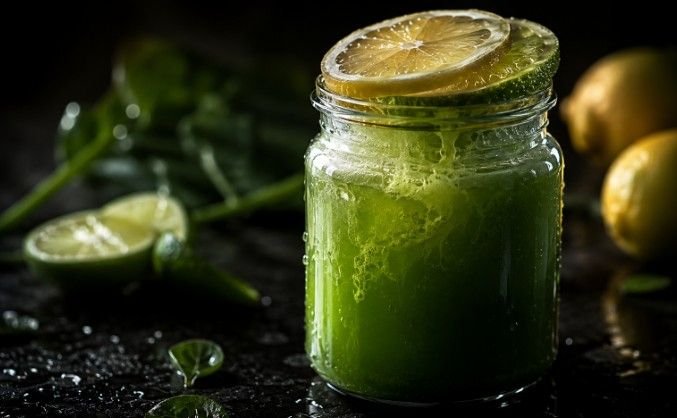
When saving your fresh blends for short-term refrigeration, fill each glass bottle until the liquid is almost touching the bottom of the flat lid. Eliminating all internal headspace dramatically reduces the amount of trapped air inside the bottle, leaving virtually zero oxygen available to fuel the oxidation process.
Citrus Fruit Addition
Squeezing a fresh lemon, lime, or grapefruit juice blend directly into your green like for drinking celery juice or root vegetables introduces a powerful wave of natural ascorbic acid. This organic citric acid acts as a completely natural, clean preservative that lowers the overall pH level of the beverage, beautifully stalling the enzymatic browning process.
Back of Fridge Storage
Keep your stored glass bottles tucked safely away in the deepest back corner of your appliance, where temperatures stay consistently between thirty-four and forty degrees Fahrenheit. Avoid storing your delicate creations inside the refrigerator door shelves, as constant opening exposes the glass to frequent waves of warm room air.
Freezing Extra Fluid Safely
Preserving large batches of nutrient-dense greens or seasonal fruit extractions for long-term use requires a completely different structural approach to bottle management. Mastering the physical expansion physics of freezing fluids prevents messy kitchen accidents and saves your hard work.
Volumetric Expansion Space
Unlike refrigeration storage, freezing requires you to leave a generous twenty-five percent gap of open headspace at the top of your glass jars. Because raw liquid expands significantly as it transforms into solid ice, filling a glass container completely to the brim will inevitably cause the glass to shatter.
Silicone Portion Trays
Pouring your extra fluid into food-grade silicone trays creates convenient, pre-portioned blocks that thaw quickly and mix beautifully into morning smoothies. Once the individual blocks are completely frozen, transfer them into an airtight, freezer-safe silicone pouch to protect them from absorbing freezer burn odors.
Thawing the Liquid
When you are ready to enjoy a frozen portion, transfer the container from the freezer into the main refrigerator compartment to let it thaw slowly overnight. Avoid applying direct heat or using a microwave, as high temperatures will immediately cook the liquid and destroy the fragile live enzymes you worked so hard to preserve.
Common Signs of Beverage Spoilage
Consuming raw, unpasteurized beverages requires a heightened sense of awareness regarding consumer product safety and active bacterial contamination. Knowing exactly how to evaluate your stored batches protects your digestive health and ensures a premium wellness experience.
Visual Phase Separation
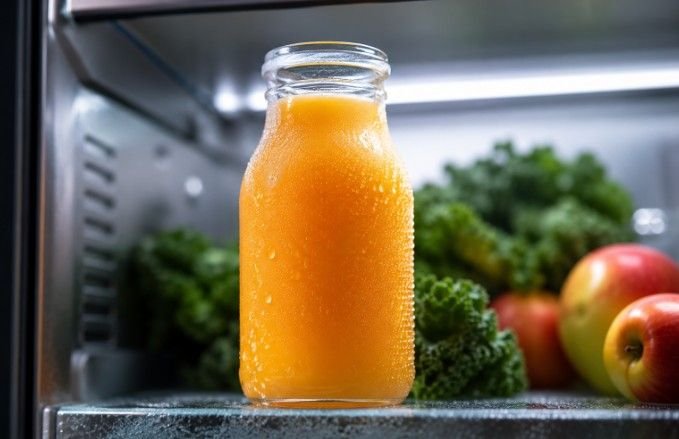
It is completely normal for heavy pulp and lighter water layers to separate while resting quietly inside a cold refrigerator over forty-eight hours.
A simple, gentle shake will easily recombine the ingredients, but if you notice clumpy sedimentation or unusual dark discoloration, the batch has likely turned.
Sour Aroma Testing
Freshly pressed produce should always carry a clean, earthy, or bright ambient scent that matches the original ingredients you used. If opening the lid releases a distinct sour aroma, a pungent vinegary smell, or a sharp yeasty note, powerful fermentation has occurred.
Micro Bubble Carbonation
Watch closely for tiny, rising carbonation bubbles or a bulging, pressurized lid when handling a jar that has been sitting for a few days. These physical signs indicate that wild bacteria or natural yeasts are actively consuming the sugars, rendering the liquid entirely unsafe for consumption.
Frequently Asked Questions
1. Is juicing safe for diabetics?
Juicing can be safe if centered entirely on low-glycemic green vegetables like spinach, celery, and cucumbers. Minimizing sweet fruits prevents dangerous blood sugar spikes, allowing individuals to enjoy pure plant nutrients safely without harming their wellness goals.
2. What is the 80/20 rule for juicing?
This foundational wellness guideline dictates that eighty percent of your ingredients should come from green vegetables. The remaining twenty percent can feature nutrient-dense fruits to add a touch of natural sweetness and extra antioxidants to your glass.
3. How to keep juice fresh after juicing?
To successfully learn how to store fresh squeezed juice, pour your liquid directly into an airtight glass jar immediately after pressing, filling it to the absolute top. Keep the sealed container stored in the coldest back section of your refrigerator.
4. Can fruit juice lower blood pressure?
Pomegranate and dark berry extractions contain potent antioxidants and natural nitrates that actively support cardiovascular health. These organic compounds help relax blood vessels, naturally promoting healthy, optimal blood pressure levels when consumed regularly as part of a balanced lifestyle.
Mastering Your Fresh Liquid Vitality Routine
Honoring your body with raw nutrition requires a proper understanding of how to store fresh squeezed juice. So your hard work never goes to waste. Transitioning away from plastic bottles, embracing the protective power of glass. And eliminating open headspace will safeguard your daily wellness elixirs. Keep your bottles chilled, watch for natural separation, and enjoy every vibrant, nutrient-dense sip of your homemade liquid health.