
I used to think leftover pizza had two choices: cold or floppy. Then I learned how to reheat pizza without making it soggy, and the answer was not “blast it harder.” It was heat control.
Good reheated pizza needs two things at the same time. The crust needs direct heat from below, while the cheese and toppings need gentler heat from above. Once I started treating those as separate jobs, leftover slices stopped tasting like disappointment.
The Real Reason Reheated Pizza Turns Soggy
Pizza gets soggy when trapped moisture has nowhere to go. Sauce, cheese, vegetables, and meat toppings all release steam as they warm. If the crust sits on a cold plate or gets heated too fast in a microwave, that steam softens the base before it can crisp.
The microwave is the usual villain because it heats water quickly. That can make cheese hot while turning the crust rubbery. A cold baking sheet can cause the same problem in the oven because the slice warms before the bottom gets any crisping power.
The goal is not just “hot pizza.” The goal is a crisp pizza crust, melted cheese, and toppings that do not dry out.
The Crisp-Then-Melt Rule I Use for Better Leftover Pizza
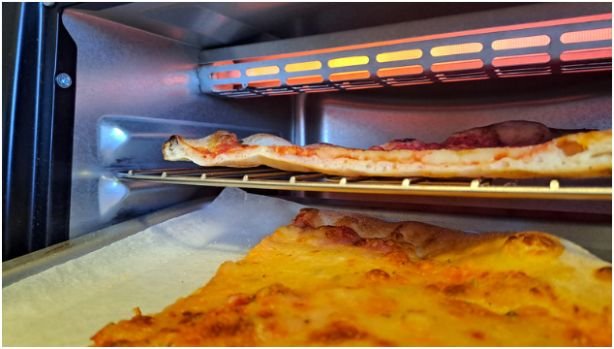
My rule is simple: crisp the bottom first, then melt the top. A skillet does this best for one or two slices. An oven works better for several slices. An air fryer is the fastest option when you want crisp edges with little effort.
This is the part most people skip. They try to heat the whole slice at once. That creates a crust problem. Bottom heat needs a head start, especially when the slice came straight from the fridge.
If you remember only one thing, remember this: dry heat firms the crust, and a small amount of steam melts the cheese. Too much steam makes pizza wet. Too little steam leaves the toppings dry.
Best Way to Reheat Pizza Without Making It Soggy
The best way depends on how many slices you have and what texture you want. For a crisp bottom and gooey cheese, I reach for the stovetop first. For a family-sized batch, I use the oven. For speed, I use the air fryer.
Stovetop Method for One or Two Slices
The stovetop is my favorite method because it gives the crust direct contact with heat. Use a dry skillet or cast-iron pan over medium heat. Place the cold slice in the pan without oil and let it heat uncovered for about two minutes.
Once the bottom feels firm, add one or two teaspoons of water to the empty side of the pan. Keep the water away from the pizza. Cover the pan with a lid or foil for 30 to 60 seconds. The steam melts the cheese while the hot pan keeps the crust crisp.
Remove the lid before serving. If any water remains, let it boil off for a few seconds. That last step matters because trapped moisture can undo the crisp texture you just built.
Oven Method for Several Slices
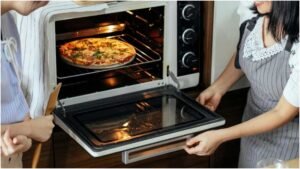
The oven is the right move when you are reheating multiple slices. Preheat it to 375°F and place a baking sheet inside while the oven heats. A hot tray gives the cold crust immediate contact with heat.
When the oven is ready, place the slices on the hot baking sheet. Bake for 8 to 12 minutes, depending on crust thickness. Thin crust may finish faster. Deep-dish or heavily topped slices may need a few more minutes.
If the crust already looks dry, loosely cover the tray with foil for part of the reheating time. If you want extra crunch, leave the slices uncovered. Do not crowd the tray, because overlapping slices trap steam.
Air Fryer Method for Fast Crispiness
The air fryer works like a small convection oven. It moves hot air around the slice and crisps the edges quickly. Preheat it to 350°F, place slices in a single layer, and heat for three to five minutes.
Watch thin crust closely because air fryers can brown edges fast. If the pizza has delicate toppings, check it after three minutes. For thicker slices, give it another minute instead of raising the heat.
This method is great for late-night leftovers because it is fast, crisp, and cleaner than heating a full oven.
Microwave Method When You Have No Choice
The microwave will not give you the best crust, but you can make it less sad. Place the slice on a microwave-safe plate. Put a microwave-safe mug or bowl filled with water next to it. Heat at medium power for 30 to 45 seconds.
The cup of water helps reduce rubbery texture by softening the heating environment. Pizza Hut also recommends a microwave-safe cup of water and medium power for reheating pizza when the microwave is the only option.
For better texture, I sometimes microwave for 20 seconds first, then finish the slice in a hot skillet for one minute. That shortcut melts the cheese faster while saving the crust.
My 30-Second Slice Test Before Reheating

Before I choose a method, I check the slice. If the bottom feels damp, I use the skillet. If the cheese looks dry or the crust is already hard, I use the oven with loose foil. If the slice is thin and firm, the air fryer works well.
I also blot greasy or watery toppings with a paper towel. Pepperoni oil, mushrooms, tomatoes, and spinach can release moisture during reheating. Removing surface moisture before heating keeps the bottom from turning soft.
This quick test is my original “leftover pizza filter.” It takes less than 30 seconds and usually tells me which reheating method will work best.
If your pizza often turns wet before it even becomes leftovers, understand why homemade pizza soggy in the middle. That issue usually starts with sauce moisture, cheese choice, dough thickness, or baking surface heat.
Mistakes That Ruin Leftover Pizza Texture
The biggest mistake is reheating pizza on a cold plate in the microwave. The cheese gets hot, but the crust steams from below. That creates the floppy slice most people hate.
Another mistake is using too much water in the skillet. You only need a few drops or one to two teaspoons. The water should steam the pan, not touch the crust.
A third mistake is placing cold pizza on a cold baking sheet. The crust slowly warms instead of crisping. Preheating the baking sheet fixes that problem.
Finally, do not stack slices while reheating. Pizza needs air and surface contact. Stacked slices trap steam, melt unevenly, and soften each other.
Food Safety Before You Reheat Pizza
Texture matters, but safety comes first. USDA guidance says leftovers can be kept in the refrigerator for three to four days, or frozen for three to four months for best quality.
For takeout foods, USDA guidance lists pizza at three to four days in the refrigerator. It also advises reheating foods with meat or poultry to at least 165°F and using an oven temperature no lower than 325°F.
That means an old slice with sausage, chicken, bacon, or pepperoni should be heated thoroughly, not just warmed on the edges. If the pizza smells off, has mold, or sat out too long, skip the rescue mission.
FAQs
1. Can you reheat pizza in the microwave without making it soggy?
Yes, but use medium power and place a microwave-safe cup of water beside the slice to reduce rubbery crust.
2. What is the best temperature to reheat pizza in the oven?
Use 375°F for texture, but keep the oven at least 325°F when reheating food safely.
3. How do you make leftover pizza crust crispy again?
Heat the slice in a dry skillet first, then cover briefly with steam to melt the cheese.
4. Is an air fryer good for reheating pizza?
Yes, an air fryer reheats pizza fast and gives crisp edges, but thin crust can burn quickly.
Your Slice Deserves a Comeback Tour
Leftover pizza does not need to be limp, chewy, or sad. Once you know how to reheat pizza without making it soggy, every slice gets a fair second chance.
Use the skillet for the best crust, the oven for a bigger batch, the air fryer for speed, and the microwave only when time is winning. The sassiest move is also the simplest: heat the crust first, melt the cheese second, and never let steam bully your slice again.