When I hear “why is my homemade pizza soggy in the middle,” I already know the problem is usually not one mistake. It is a pileup. Wet cheese, loose sauce, heavy toppings, and weak bottom heat all gang up on the dough before the crust can set.
A home oven can make excellent pizza, but it does not behave like a commercial deck oven. The top may look bubbly while the center underneath is still soft, pale, and damp. Once I started treating pizza like a balance between moisture and heat, my soggy middle problem became much easier to fix.
The Real Reason Homemade Pizza Gets Soggy
Pizza turns soggy in the middle when liquid reaches the dough faster than heat can drive it out. Sauce contains water. Cheese releases moisture as it melts. Vegetables steam. Meat toppings can leak fat. If the dough sits under all that weight, the center becomes the weakest spot.
The underside needs a fast hit of heat. King Arthur Baking recommends using a baking steel, baking stone, or preheated metal sheet pan because these surfaces deliver concentrated heat to the bottom of the pizza. They also recommend par-baking an untopped crust for several minutes when a crisp base is hard to achieve.
That is the key: the crust must set before toppings soak through it. If the top finishes before the bottom catches up, the pizza looks done but eats like wet bread.
The Moisture Budget I Use Before Baking Pizza
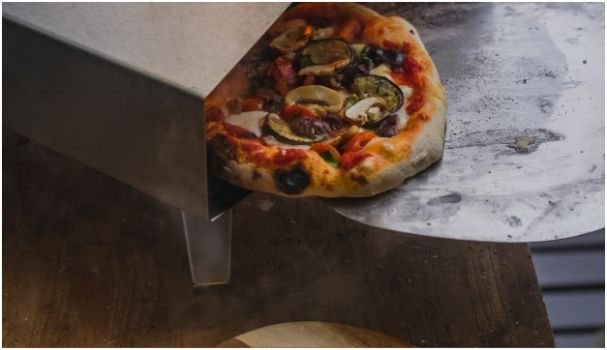
I use a simple rule before every pizza: if one topping brings moisture, the rest must stay controlled. A pizza can handle fresh mozzarella, juicy tomatoes, or raw mushrooms, but it struggles when all three land in the center together.
This is my “moisture budget.” It sounds fussy, but it saves the crust.
Fresh Mozzarella Can Flood the Crust
Fresh mozzarella tastes great, but it can punish a home oven. Regular mozzarella can reach around 60% water, while low-moisture mozzarella usually falls in the 45% to 52% moisture range, according to FDA standards reported by Serious Eats.
That difference matters. Fresh mozzarella melts, releases water, and creates milky puddles. Those puddles slide toward the middle and soak the dough.
When I use fresh mozzarella, I slice it early and leave it on paper towels for at least 30 minutes. For a safer weeknight pizza, I use low-moisture block mozzarella and grate it myself. Pre-shredded cheese works, but block mozzarella melts better and gives me more control.
Watery Sauce Turns Dough Into a Sponge
A thin tomato sauce can ruin a crust before the oven has a chance. If sauce runs when you tilt the spoon, it is too loose for a pizza that already has wet toppings.
I simmer sauce until it looks spreadable, not pourable. I also use less sauce in the center than near the outer half of the pizza. The center has the least structural support, so it should not carry the wettest layer.
A good sauce layer should stain the dough, not drown it. If I can see small patches of dough through the sauce, I know I am closer to a crisp crust.
Raw Toppings Release Water While Baking
Raw vegetables are one of the biggest reasons homemade pizza gets wet in the middle. Mushrooms are the classic example. Raw white button mushrooms are about 93.3% water, based on USDA-derived food composition data displayed by MyFoodData, and USDA FoodData Central is the federal source for food composition data in the US.
That water does not disappear on a pizza. It steams out into the cheese, sauce, and dough.
I sauté mushrooms, spinach, peppers, and onions before they go on the pizza. I do not cook them until dry and lifeless. I just remove the water they would have released in the oven. Fresh tomatoes also need help. I slice them, salt them lightly, and blot them before topping.
How to Fix a Soggy Pizza Crust in a Home Oven
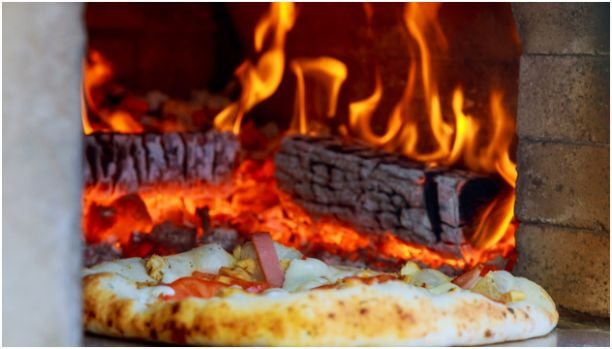
The fastest way to fix a soggy pizza crust is to attack the problem from both sides. Reduce moisture from above and increase heat from below. Doing only one helps, but doing both changes the pizza.
Preheat the Baking Surface Long Enough
A pizza stone or steel does not work well if it is barely warm. It needs time to absorb heat. King Arthur Baking advises preheating a baking stone for 45 to 60 minutes when aiming for a deep golden, crispy pizza crust.
I preheat my oven at its highest setting, usually 500°F to 550°F. I place the stone, steel, or heavy sheet pan inside before turning the oven on. A cold pan under raw dough is almost a guarantee of a soft bottom.
A steel can be especially helpful because it transfers heat faster than stone. King Arthur notes that steel conducts heat better than stone and can cook pizza crust faster and more evenly in a home oven. Serious Eats also found that thicker carbon steel retained heat well during pizza testing.
For readers comparing tools, the internal link can sit naturally here: Choosing the right baking surface matters, especially when comparing pizza stone vs pizza steel for home oven results.
Par-Bake the Dough When Needed
If the pizza still turns wet, I par-bake the dough. I stretch the dough, place it on the hot surface, and bake it bare for three to five minutes. The crust should look pale, matte, and slightly firm.
Then I add sauce, cheese, and toppings. This small step creates a barrier. It gives the center a head start before moisture arrives.
Par-baking works especially well for thicker crusts, pan pizzas, gluten-free crusts, and pizzas with fresh mozzarella. It is not cheating. It is smart home-oven management.
Use Less Topping Weight in the Center
Most people overload the middle because it feels natural. I do the opposite. I keep the center lighter and push heavier toppings slightly outward.
A pizza center has less edge support and more moisture pressure. Too much cheese creates a blanket. Too much sauce traps steam. Too many toppings block heat from reaching the dough.
My rule is simple. The middle should look slightly under-topped before baking. Once the cheese melts, it spreads and fills the space.
Where to Place Pizza in the Oven for a Crisp Bottom
For a soggy center, lower oven placement usually helps because the bottom needs stronger heat. I place my steel or stone on the lower rack when the crust is the main problem.
If the bottom browns too fast while the top stays pale, I move the surface higher next time. Some bakers place the stone near the top to balance top heat and bottom heat, but the best position depends on the oven. King Arthur notes that oven placement can vary because each oven behaves differently.
I also avoid opening the oven door too often. Every peek drops heat. Pizza needs confidence, not nervous checking.
What to Do After Baking So the Crust Stays Crisp
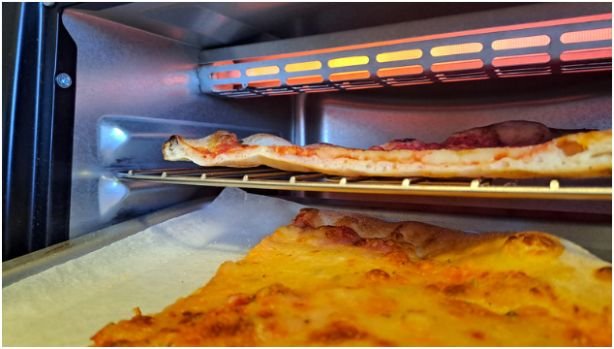
A pizza can leave the oven crisp and still turn soggy two minutes later. The culprit is steam.
If I place hot pizza directly on a cutting board, the bottom sweats. The trapped steam softens the crust I just worked to crisp. Now I rest the pizza on a wire rack for two to three minutes before slicing.
That short rest lets steam escape. It also helps cheese settle, so the slices do not collapse into a wet mess.
FAQs
1. Why is my pizza dough raw in the middle?
Your dough is usually raw in the middle because the toppings are too wet or the baking surface was not hot enough before baking.
2. How do I make homemade pizza crispy on the bottom?
Use a fully preheated pizza stone, pizza steel, or heavy sheet pan, and keep sauce and toppings lighter in the center.
3. Should I cook toppings before putting them on pizza?
Yes, cook watery toppings like mushrooms, spinach, peppers, onions, and fresh tomatoes before adding them to pizza.
4. Why is my homemade pizza soggy in the middle even with a pizza stone?
The stone may not be preheated long enough, or the pizza may have too much sauce, fresh mozzarella, or wet toppings.
The Middle Has No Business Being Mushy
So, why is my homemade pizza soggy in the middle? Because the crust is losing a race against moisture. Once I stopped blaming the dough and started managing sauce, cheese, toppings, heat, and steam, my pizza changed fast.
Start with one fix tonight. Preheat your baking surface for at least 45 minutes, drain the cheese, and go lighter in the center. Your pizza does not need more toppings. It needs a fighting chance.