If you want to know how to cook frozen pizza so it tastes better, stop treating the box directions like the final word. Frozen pizza usually fails in three places: the crust stays pale, the cheese tastes flat, and the toppings release too much moisture.
My best rule is simple: fix the crust first, then upgrade the flavor. Extra toppings cannot save a limp bottom. A hotter oven, a preheated surface, and a few smart finishing touches can make a basic freezer pizza taste closer to a weeknight pizzeria pie.
Start With Heat, Not More Toppings
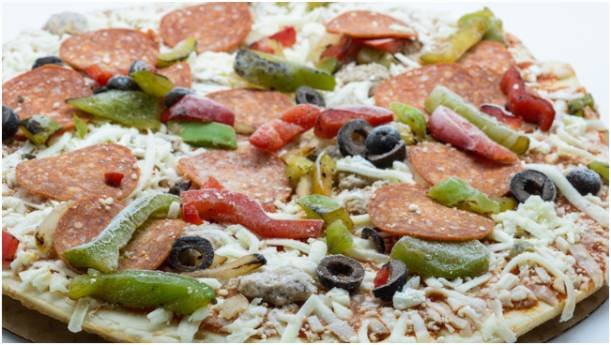
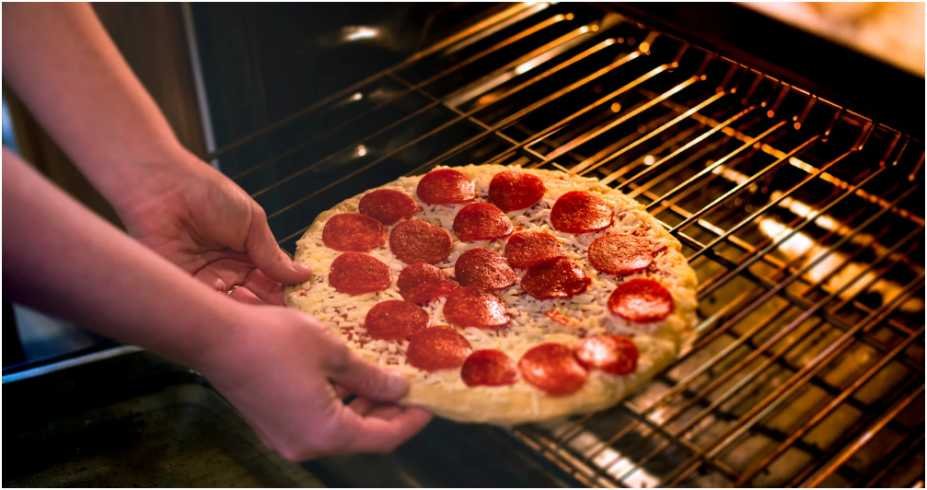
Most frozen pizza problems start below the cheese. A standard baking sheet blocks direct heat from hitting the crust, so the bottom steams before it crisps. That is why the pizza can look cooked on top but still taste soft underneath.
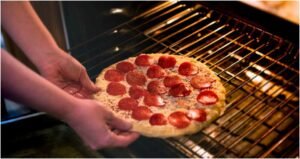
A better method is to preheat the oven hotter than the box suggests, usually around 450°F to 500°F, if the pizza and your cookware can handle it. Expert cooking advice also points to using a preheated pizza stone, baking steel, or cast iron surface for a crisper bottom because these surfaces deliver strong heat directly to the crust.
Use a Preheated Pizza Stone, Steel, or Cast Iron
Place a pizza stone, baking steel, cast iron skillet, or cast iron griddle in the oven while it preheats. Give it at least 20 minutes, and 30 to 45 minutes is even better for thicker surfaces.
A baking steel transfers heat quickly, while stone holds steady heat. Serious Eats notes that a heavy baking stone stores heat and releases it into pizza, helping create a crisper crust.
Cast iron is also excellent because it browns the bottom fast. Food Network’s cast iron pizza guidance uses a very hot 500°F oven and a preheated skillet to help the dough bake golden and crisp.
Skip the Cold Baking Sheet
A cold baking sheet is convenient, but it is not ideal for crisp frozen pizza. It creates a barrier between the crust and the oven heat. If you only have a baking sheet, flip it upside down and preheat it first.
Use caution when moving frozen pizza onto a hot surface. A pizza peel works best, but a flat cutting board can help. If you use parchment paper, check the package heat rating first because many brands are not made for broiler-level heat.
Upgrade the Crust Before It Hits the Oven
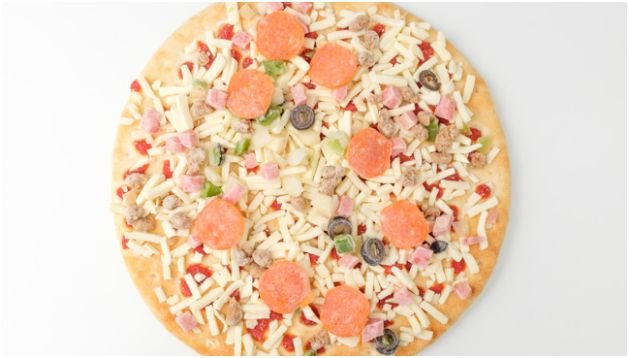
The crust is the easiest part to improve because frozen pizza edges are usually dry and bland. A two-minute crust upgrade can make the pizza taste less like freezer food.
Brush the Edges With Garlic Butter
Melt a tablespoon of butter and mix in garlic powder, dried oregano, basil, or Italian seasoning. Brush it over the bare crust edges before baking.
This gives the crust a richer smell, deeper color, and better flavor. Do not soak the center of the pizza with butter. Keep it on the outer crust so the middle stays crisp.
Add Oil to the Bottom for Extra Crunch
For a crackly bottom, lightly brush the underside of the crust with olive oil. Use a thin layer, not a puddle. Too much oil can make the pizza greasy instead of crisp.
This trick works especially well with thin crust frozen pizza. It also helps the edges brown more evenly on a stone, steel, or cast iron pan.
Make the Cheese and Sauce Taste Less Frozen
Frozen pizza cheese often tastes mild because brands have to balance cost, storage, and melting quality. The sauce can also taste flat after freezing. A few small upgrades can fix both.
Add Fresh Cheese the Smart Way
Add a light handful of freshly grated mozzarella before baking. Freshly grated cheese melts better than many bagged cheeses because it does not have the same anti-caking coating.
A small amount of parmesan also adds salty depth. Add it before baking if you want it toasted, or after baking if you want sharper flavor.
Do not bury the pizza under cheese. Too much cheese traps steam and slows browning. A thin extra layer is enough.
Boost the Sauce Without Making It Wet
If the pizza looks dry, spoon a little extra pizza sauce in small dots across the top. Do not spread a thick wet layer over the whole pizza.
Hot honey also works well on pepperoni, sausage, and plain cheese pizzas. Add it after baking for a glossy sweet-heat finish. If you add it before baking, use only a light drizzle so the sugar does not burn.
Add Toppings Without Creating a Soggy Center
Fresh toppings can make frozen pizza taste better, but they can also ruin the texture. The mistake is adding watery vegetables straight from the fridge.
Cook Fresh Vegetables First
Mushrooms, onions, bell peppers, spinach, and zucchini release water as they cook. Sauté them first, then add them to the pizza before baking.
This one step protects the center from turning wet. It also makes the vegetables taste sweeter and more concentrated.
If you want freshness without moisture, add basil, arugula, or chopped parsley after the pizza comes out of the oven.
Use Meat and Protein Carefully
Pepperoni, cooked sausage, crumbled bacon, leftover chicken, or sliced meatballs can make a frozen pizza feel more filling. Use cooked meats only, and keep the layer light.
Too much meat adds grease and weight. A frozen pizza is already balanced for a certain bake time. If you overload it, the top may brown before the center heats through.
Finish It Like a Real Pizza Shop
The final minute matters. Once the pizza is hot and bubbling, let it rest for two to three minutes before slicing. This helps the cheese settle and keeps toppings from sliding off.
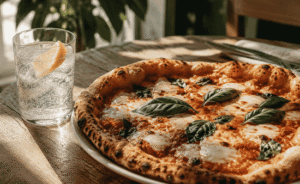
Then add a finishing touch. Try fresh basil, red pepper flakes, grated parmesan, balsamic glaze, hot honey, garlic oil, or arugula. These fresh finishes make the pizza taste brighter because they are not baked into the frozen base.
This is also where the Frozen Pizza Upgrade Ladder pays off. First, crisp the crust. Second, control moisture. Third, finish fresh. That order gives you the biggest flavor gain with the least effort.
For more help avoiding a soft crust or wet center, learn about pizza baking mistakes to avoid.
How to Reheat Leftover Frozen Pizza
Leftover frozen pizza tastes best when reheated in a skillet, toaster oven, air fryer, or hot oven. The microwave works fast, but it usually softens the crust.
For food safety, USDA guidance says reheated leftovers should reach 165°F when checked with a food thermometer. USDA also advises reheating leftovers with enough heat to warm them all the way through.
Store leftover pizza in the refrigerator within two hours. FoodSafety.gov notes that frozen foods kept continuously at 0°F remain safe indefinitely, although quality can decline over time.
FAQs
1. What is the best temperature to cook frozen pizza?
A hotter oven, around 450°F to 500°F, usually gives the best crust, but always check the pizza box and cookware limits.
2. Can I put frozen pizza directly on a pizza stone?
Yes, but preheat the stone first and move the pizza carefully so the crust crisps instead of steaming.
3. How do I make frozen pizza crust crispy?
Use a preheated stone, steel, or cast iron surface, then lightly oil the bottom and avoid watery toppings.
4. How to cook frozen pizza so it tastes better without extra toppings?
Use high heat, garlic butter on the crust, extra parmesan, and a fresh finish like basil or hot honey.
Your Freezer Pizza Deserves a Glow-Up
Frozen pizza does not need to taste like a backup dinner. With the right heat, a crisping surface, a brushed crust, smarter toppings, and a fresh finish, it can feel intentional.
My favorite move is still the simplest one: preheat cast iron, brush the crust with garlic butter, add a little parmesan, and finish with hot honey. That tiny upgrade turns a freezer pie into something I would happily eat on purpose.